
That’s why therapy and counseling play a central role in any residential or outpatient program. Evidence-based approaches such as cognitive-behavioral therapy (CBT), motivational interviewing, and trauma-informed care help individuals manage cravings, identify triggers, and develop healthier coping skills. Research from the National Institute on Drug Abuse (NIDA) shows that combining medical detox with behavioral therapy leads to significantly better long-term recovery outcomes than addressing either one in isolation. For instance, a person addicted to alcohol may suffer from dangerous withdrawal symptoms while also struggling with powerful cravings and emotional attachment to drinking.
Start Your Journey to Recovery with Arista Recovery
Each form of dependency presents its challenges and requires distinct, individualized approaches. By understanding the differences and interactions of these dependencies, individuals suffering from addiction can be guided more effectively towards recovery. Awareness and education about these distinctions are essential not only for healthcare amphetamine addiction treatment providers but also for sufferers and their loved ones, paving the way for a more compassionate and comprehensive approach to treatment. Understanding physical and psychological dependencies is crucial as they often overlap, complicating treatment and recovery. Physical dependence arises when the body adapts to a substance, leading to withdrawal symptoms if use is reduced or stopped. In contrast, psychological dependence is characterized by compulsive behavioral patterns and emotional cravings, even without physical withdrawal symptoms.
- Since impulsivity can be monitored by smartphone or tablet apps, testing could be useful to identify patients who are responding well to opioid‐dependence treatment versus those at elevated risk of relapse.
- Physical dependence is also characterised by a person building a tolerance to alcohol over time, meaning they need to consume higher volumes of alcohol to feel the same effects.
- Why a Weed Addiction Hotline Could Be Your First Step to Recovery Weed addiction hotline services provide immediate, free, and confidential support for anyone struggling with marijuana use or concerned about a loved one.
- We tailor each treatment plan to the individual—mind, body, and spirit—to ensure meaningful, sustainable healing.
Within this system, stress induces the release of the hormone corticotrophin-releasing factor (CRF) from a brain area called the hypothalamus. CRF acts on the pituitary gland located directly below the hypothalamus, where it initiates the production of a molecule called proopiomelanocortin (POMC). This compound is processed further into smaller molecules, such as β-endorphin and adrenocorticotropic hormone (ACTH). The main glucocorticoid in humans and other primates is cortisol; the main glucocorticoid in rodents is corticosterone. Treatment for alcohol dependence varies depending on the severity of the condition and individual differences in health and circumstances. Most people with alcohol use disorder (AUD) can benefit from some form of treatment, and many substantially reduce their drinking and report fewer alcohol-related problems.

Individual Vulnerability and Risk Factors
This aspect of addiction highlights the difference between mere drug use and addiction, which is characterized by compulsive seeking and use despite harmful consequences. The liver, a vital organ, is at a constant risk of cirrhosis, marked by irreversible scarring. Alcohol’s proclivity to disrupt gastrointestinal harmony heightens the likelihood of gastritis or gastrointestinal bleeding. Continuous alcohol exposure jeopardizes bone health, accelerating osteoporosis progression. Additionally, persistent alcohol intake taxes the kidneys, elevating the risk of renal dysfunction and failure. Unchecked alcohol consumption also amplifies the vulnerability to certain cancers, impacting the liver, esophagus, and more.
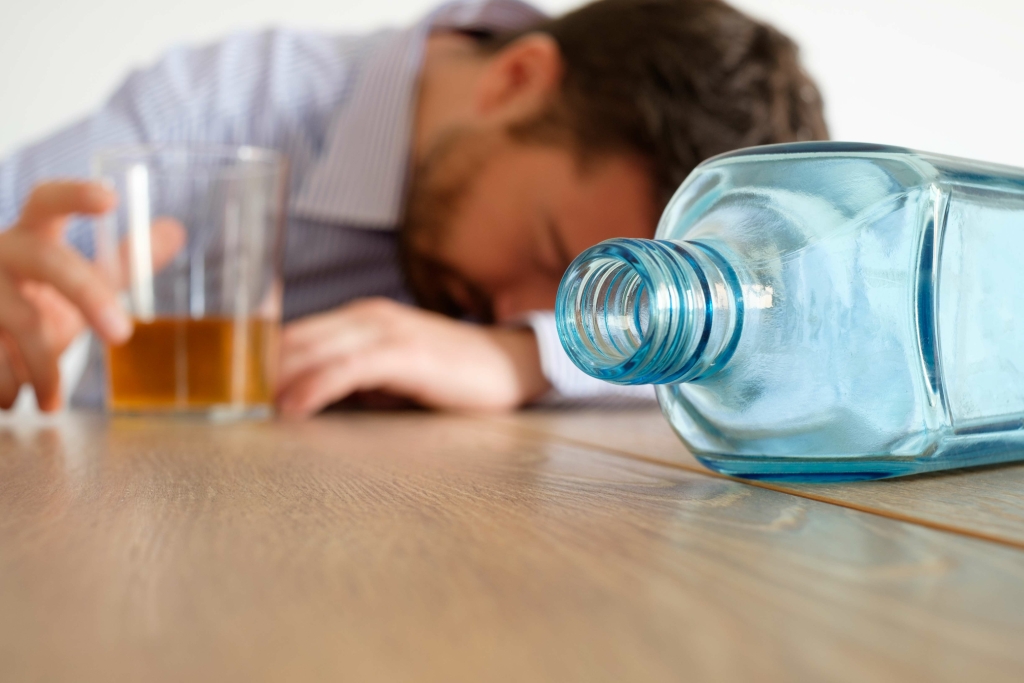
Significant lifestyle changes may occur, including loss of interest in previously enjoyed activities, as the individual prioritizes substance use. This can create a cycle of dependency that exacerbates underlying mental health issues and complicates personal relationships. Your confusion is understandable as alcohol use disorder can be BOTH a habitual (psychological) and a chemical (physical) addiction. Psychological dependence occurs when a person drinks in order to function “normally” and feel good.
Share this article on social media
- With the right guidance, encouragement, and resources, individuals can reclaim their lives and cultivate a healthier, happier future.
- This includes getting regular exercise, which can help manage stress and provide a healthy outlet.
- These are different depending on the individual, the amount and duration of abuse and the type of substance.
- For those who are physically dependent on alcohol, medical supervision during alcohol detox is necessary to manage severe withdrawal symptoms and reduce health risks.
Physical dependence on alcohol is a serious condition that can contribute to the development of alcohol addiction and other medical issues, but help is available. If you or a loved one thinks they are experiencing physical alcohol dependence, do not hesitate to contact a treatment provider to explore your treatment options. In contrast, if you are physically dependent on alcohol, you may feel like it is a central part of your life and that you are unable to function or survive without it, but those feelings do not mean your condition classifies as an AUD. The National Institute on Drug Abuse further explains that physical dependence on alcohol is a factor of addiction, but not addiction itself. However, the heavy drinking caused by physical dependence can lead to an alcohol addiction.
Drug dependence refers to a condition where an individual becomes reliant on a substance, both physically and psychologically. It is characterized by the physiological dependence compulsive use of the drug despite negative consequences and the experience of withdrawal symptoms upon discontinuation. It’s important to note that physical dependence is distinct from psychological dependence, which involves a strong emotional or psychological attachment to a substance. While physical and psychological dependence often coexist, they represent different aspects of addiction. Both physical dependence and psychological addiction can result in withdrawal symptoms if you suddenly quit. If you recognise any of these signs in yourself or others, it’s important you seek professional help.
Common Examples of Physical Dependence
Behavioral treatments—also known as alcohol counseling, or talk therapy, and provided by licensed therapists—are aimed at changing drinking behavior. Examples of behavioral treatments are brief interventions and reinforcement approaches, treatments that build motivation and teach skills for coping and preventing a return to drinking, and mindfulness-based therapies. The medical model of drug detox is a structured, evidence-based approach to guide individuals safely through withdrawal.
Why Understanding Dual Diagnosis Matters for Your Recovery Dual Diagnosis Treatment Facilities specialize in helping individuals who struggle with both a mental health disorder and a substance use disorder at the same time. https://dienlanhminhchau.com/2022/09/02/top-halfway-houses-companies-in-tallahassee-fl/ Tolerance refers to the body’s adaptation to the presence of a substance, requiring larger amounts to achieve the desired effect. Withdrawal occurs when the substance is abruptly reduced or discontinued, resulting in a range of physical and physiological symptoms. These strategies provide a robust framework for recovery, ensuring individuals receive support on both fronts—physical and psychological. That’s why we begin with a thorough drug and alcohol abuse assessment in our rehab center in Cedar Rapids, Iowa, to identify each individual’s unique needs and create a tailored treatment plan.

The Medical Detox Process: A Step-by-Step Guide
Substance use disorders can be complex and vary from case to case, with influences such as brain chemistry affecting mental and emotional states. Substance use may be driven by the belief that it helps calm nerves, although it can actually increase anxiety. In conclusion, behavioral conditioning effects play a pivotal role in alcohol addiction, transforming neutral cues into powerful triggers for consumption. Understanding these mechanisms—classical and operant conditioning, the impact of dosage, and age-specific vulnerabilities—offers practical pathways to intervention. By disrupting conditioned patterns and replacing them with healthier alternatives, individuals can dismantle the psychological scaffolding of addiction. This approach not only addresses the surface behavior but also targets the underlying processes that perpetuate dependency.
A comparative analysis of behavioral conditioning in alcohol addiction versus other addictions reveals shared principles but unique challenges. Unlike substances with immediate physiological withdrawal symptoms, alcohol’s psychological grip often manifests through conditioned cravings. For instance, a smoker may experience physical withdrawal, but an alcohol addict might crave a drink simply upon seeing a wine glass. This distinction underscores the need for tailored interventions, such as cognitive-behavioral therapy, which focuses on identifying and modifying conditioned responses.