
Cultural perceptions of chance How gambling shapes identities across societies
The Role of Gambling in Cultural Identity
Gambling is deeply ingrained in many cultures, serving as a reflection of societal values and beliefs. It functions not just as a pastime but as a means of expressing identity, collective history, and even spiritual beliefs. In communities around the world, gambling can embody notions of luck, fate, and communal bonding, influencing how individuals perceive chance and risk in their daily lives. Interestingly, some enthusiasts consider engaging with online gambling real money platforms as an extension of these traditions.
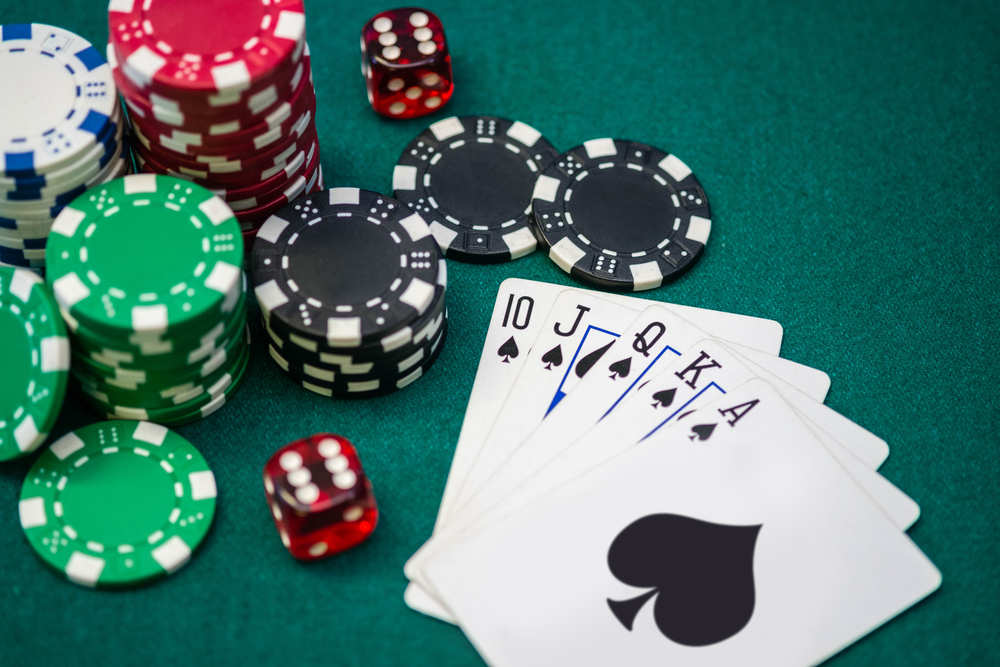
For instance, in some Indigenous cultures, traditional gambling games may play a significant role in cultural ceremonies and social gatherings. These activities reinforce community ties and underscore the importance of chance as a shared experience, shaping individual and collective identities in a unique way.
Gambling and Economic Perspectives
The intersection of gambling and economics is profound, impacting how societies view wealth and success. In many cultures, gambling is seen as a shortcut to financial gain, influencing individuals’ aspirations and behaviors. This perception often leads to a societal acceptance of risk-taking, where gambling is viewed as a viable avenue for economic mobility.
Moreover, the economic implications of gambling can lead to both opportunities and challenges for communities. While it can stimulate local economies, it can also result in negative social outcomes, such as addiction and financial hardship, ultimately shaping how individuals and societies interact with the concept of chance.
Social Implications of Gambling Practices
The social dynamics surrounding gambling reveal much about cultural attitudes toward chance and fate. For many, participating in gambling activities offers a sense of belonging and a way to forge social connections. Whether it’s through playing poker with friends or participating in community lottery events, these activities create social networks that often transcend individual identities.
However, gambling can also highlight social disparities and tensions within societies. Those who gamble may face stigma or judgment, particularly in cultures that emphasize prudence and hard work. This duality reflects how gambling can shape social identities—either reinforcing positive communal bonds or fostering divisions based on differing attitudes toward risk.
The Psychological Impact of Chance and Luck
Understanding the psychological aspects of gambling reveals how deeply personal and cultural perceptions of chance can influence behavior. Many individuals find themselves drawn to gambling because of the thrill and the hope of winning. This psychological allure can vary greatly depending on cultural contexts, where some societies celebrate chance as a part of life, while others may regard it with skepticism.
This psychological relationship with chance can be further complicated by the ways in which gambling influences self-esteem and personal identity. Individuals may derive a sense of worth or achievement from gambling successes, while failures can lead to feelings of shame or regret, underscoring the delicate balance between chance, identity, and mental well-being.

Understanding Cultural Contexts Through Gambling
The examination of gambling practices provides valuable insights into how cultures perceive chance and identity. Different societies have developed their own unique approaches to gambling, influenced by historical, religious, and social factors. These practices not only reflect local attitudes toward luck but also indicate broader cultural narratives about fate and destiny.
By analyzing these diverse perspectives, we can gain a deeper understanding of the social fabric that shapes identities. Engaging with these cultural narratives allows us to appreciate the multifaceted ways in which chance is woven into the lives of individuals and communities across the globe.